
Safari Rally Kenya: Dust, Danger & Pure Glory

Explore the wild heart of Kenya’s Safari Rally—where speed meets survival. From legends to landscapes, discover why this race is feared and loved.
Into the Dust and Glory: The Untamed Legend of Kenya’s Safari Rally
What does it take to survive the most vicious rally in the world? Never-ending dust, wildlife, thrilling engine sounds, and sheer determination. The Safari Rally in Kenya is not only a race; it is a warzone. Before we answer the question, it should be reiterated that drivers do not only compete; they survive. The astonishing experience serves as the core of African motorsport, so how did this phenomenally wild event come to be? Read on to learn more and indulge in the entire tale.
Born in the Wild: Safari Rally Origins
The East African Coronation Safari was started in 1953 in honor of Queen Elizabeth II’s ascension. However, this was not an ordinary rally, of which there are many, and all of them are available on online betting in Kenya. Also, don’t forget to choose a welcome bonus when registering! We, in turn, let’s get back to the rally, but what is its specialty compared to other popular ones? It spans more than 5,000 kilometers across Kenya, Tanzania, and Uganda, which makes it possibly the longest and harshest rally in existence. It’s safe to say that there are no paved roads, no walls, just richly splendid African wilderness. Just authentic Africa!
The event was modified to the Safari Rally during the 1960s and was included in the WRC (World Rally Championship) calendar by 1972. Drivers braved the Maasai Mara plains, the antelope-infested areas near Amboseli, and the swampy terrain in Kerio Valley. Completing the course was commendable while winning the rally was a feat of legend. Unlike the average lap, this wasn’t about speed but rather who endured the most.
Unsplash
Dust, Speed, Glory: The Early Years
The first decades of the Safari Rally required a lot of strength, as the cars weren’t equipped to deal with animals crossing the road, flash floods, and even volcanic dust storms. However, none of these challenges deterred drivers from seeking a thrilling motorsport experience. The challenge only seemed to entice more drivers!
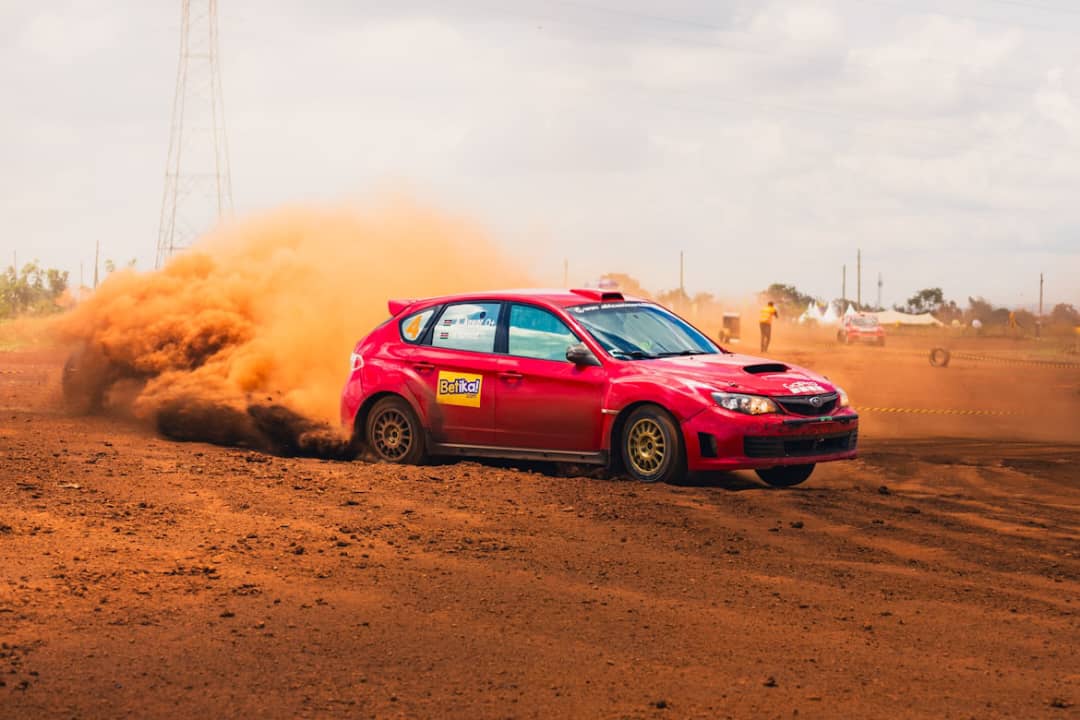
In 1982, the rally had a staggering 74 participants, out of which only 21 managed to finish the race. The teams had to depend on helicopters for support and cattle herders to navigate through the bushes. Iconic cars such as the Datsun 160J, Ford Escort RS 1800, and Peugeot not only became household names due to their victories but also because they stood the test of time. It became a spectacle for the locals, who would gather along the village roads to watch the single car they waited for hours to see create a cloud of dust.
Legends Behind the Wheel
Great drivers from all parts of the world have tried to conquer Kenya’s unforgiving landscape. But only a few have engraved their names in the history of the Safari Rally. Let’s recall some of them:
- Shekhar Mehta: His name is known amongst all as the Kenyan hero who won 5 Star Rally trophies from 1973–1982. He dominated the event with immense skill and local knowledge.
- Björn Waldegård: The Swedish legend demonstrated mastery of off-road endurance in 1977 and 1984 with his wins using a Toyota Celica Twincam Turbo.
- Colin McRae: He is considered the greatest driver from Scotland. He never managed to win the Safari, but he was adored for his intense driving style, especially coming second in the 1999 edition in a Ford Focus.
- Tommi Makinen: This Finnish driver became the WRC champion four times. He also conquered the Safari Rally in ’96, fighting through mechanical failures and harsh terrain, winning the race in a Mitsubishi Lancer.
These were more than drivers – they were, in fact, soldiers fighting a battle against the uncharted.
Nature vs. Machine: The Ultimate Battle
Every single edition of the Safari Rally is a war on nature. The landscape is erratic. One second, it’s scorching hot and filled with dust, and the next, it’s covered in sticky mud. Drivers must read the land like a map – and the car like a partner. But still, let’s give examples because, in other words, it doesn’t look so scary.
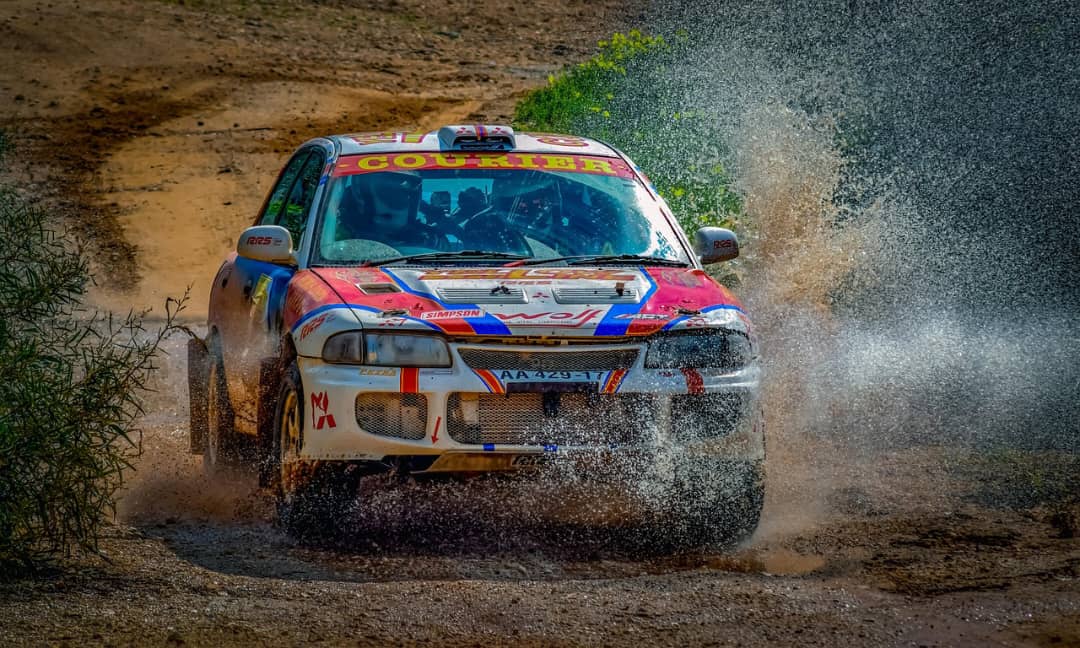
In 1997, a cascade of rain transformed vast portions of the stage into a river, which resulted in half of the cars needing to be eliminated. In 2000, an out-of-control elephant blocked the lead car for twenty minutes. Yes, there are no protective walls, only open nature.
Moreover, mechanics try to battle heat strokes while repairing broken-down cars. Windshield wipers give out during dust storms. In the Rift Valley, the engines get burned out from all the heat. Consequently, it is not surprising that the average finishing rate has been approximately 40 percent. At the start of the race, no one focuses on the podium. Survival becomes their number one priority!
Why Drivers Fear and Love It
What makes drivers come back? What makes this rally loved and hated at the same time? Every answer lies in the shriek of every engine and the heart of each driver:
- It’s a challenge: It’s not just speed. There’s also sport, nature, and endurance to consider.
- Emotional reward: The emotional reward achieved from crossing the finish line can be likened to achieving a goal. After all, even finishing 10th at the Safari surpasses receiving other victories.
- Dangerous but beautiful: No other race puts you elbow to elbow with flamingos, giraffes, or acacia-covered cliffs. It’s racing through a postcard.
- The people’s event: It’s an event for Kenya. Entire villages turn out, roads are closed, and schools come to a standstill. This is more than just a race.
Safari Rally is the only event for WRC veterans that has a pulse!
Pixabay
Comeback Story: Return to the WRC
Louder, harder, and ever so brilliant, the Safari Rally made its triumphant comeback to the WRC in 2021 after a hiatus of nearly two decades. Here are the key reasons for its return:
- Government investment: The Kenyan government invested $25 million USD in bettering road infrastructure, event security, and logistics, aimed at permanently securing WRC’s inclusion.
- FIA partnership: Traditional Safari stages were remade with modern safety provisions, and these were combined with the brutality associated with Safaris. The spirit was preserved, but the standards were lifted by the FIA.
- Global broadcast reach: The WRC streaming record of 830 million viewers in over 150 countries during the 2023 Safari Rally event was unmatched.
- WRC driver praise: After winning the 2021 event, Sébastien Ogier stated it was “the most beautiful and thrilling rally of my career.” No further explanation is needed.
The remembered event came back not as a phenomenon but as a whole new experience!
What Makes Safari Rally So Special?
This event can be seen as more than just a motorsport event. It’s like the thunderous noise in the mountains, the dust in the air, and the fire in your heart. The Safari Rally represents the rhythm of Africa on wheels. And every year, when the engines roar across the rough beauty of Kenya, the entire globe literally freezes in anticipation!