
The Influence of iGaming on Sports Viewership Culture

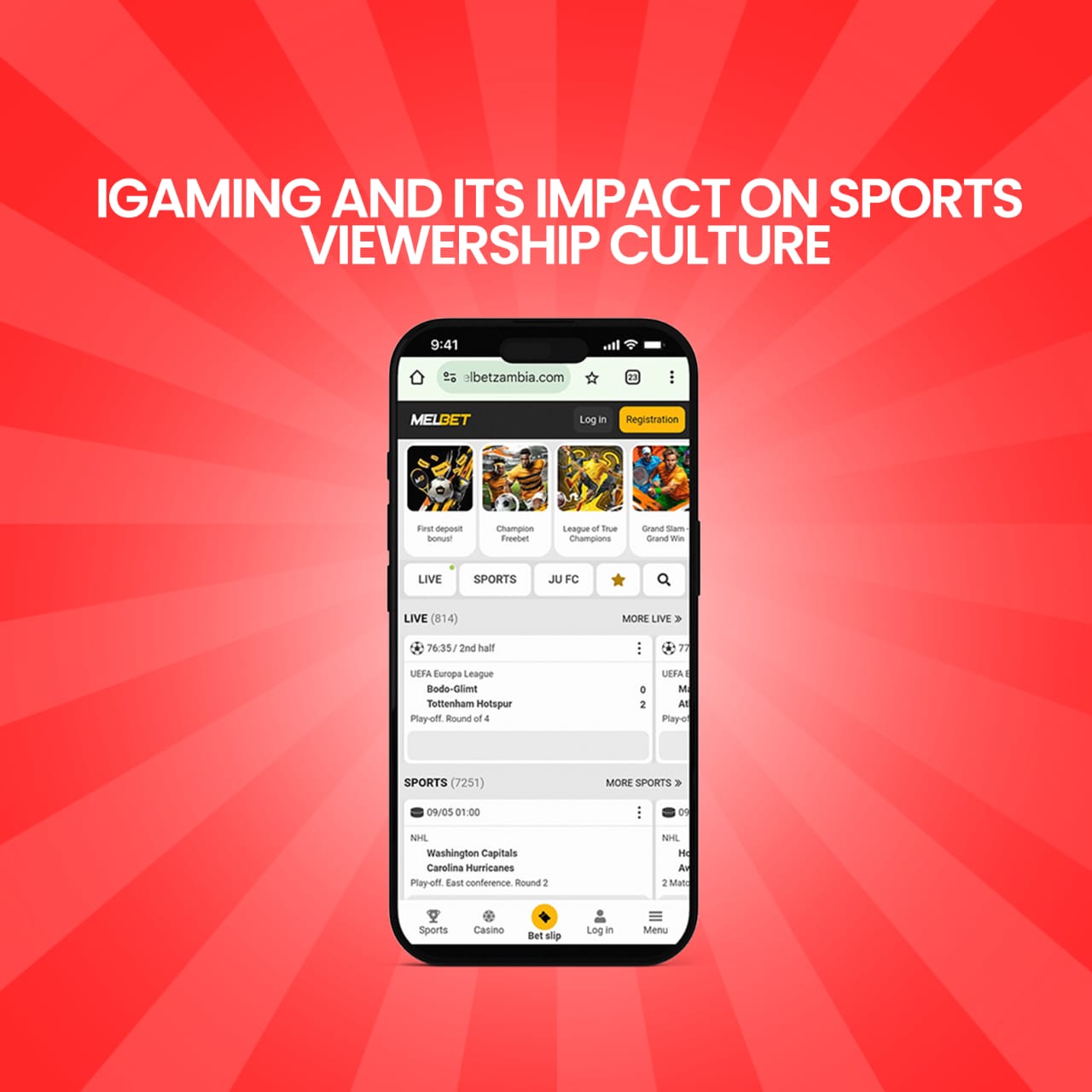
Sports viewership has never been static. Fans have always adapted to new screens, formats, and experiences. But iGaming adds a fresh layer that alters how audiences follow matches, interact with teams, and even judge the excitement of live action. Services offering live golf betting in Ireland illustrate how digital interaction reshapes fan behavior. The ability to engage in real time blends tradition with technology, creating a culture where viewership is no longer passive but active and dynamic.
Fan Engagement Beyond the Scoreboard
Fans are not just watching the game; they are participating. As FIFA wrote, “the stars who have inspired millions of fans” give a lot, but fanы give back much more with their love.
And iGaming platforms add data layers, and instant interaction that change the rhythm of watching.
Shifting Viewing Habits Across Platforms
Television once dominated sports consumption. Today mobile devices account for nearly half of live match streams. Fans expect instant access to scores, odds, and highlights. Leagues know that ignoring this shift means losing viewers who demand flexibility.
Device Share of Sports Viewership (%)
| Device | 2018 | 2021 | 2024 forecast |
|---|---|---|---|
| Television | 65 | 55 | 47 |
| Mobile Phones | 20 | 30 | 38 |
| Tablets | 10 | 9 | 8 |
| Laptops | 5 | 6 | 7 |
Revenue Dynamics for Leagues and Broadcasters
iGaming partnerships change financial flows. Sponsorship, streaming deals, and data rights now carry weight equal to ticket sales. Some leagues report that digital partnerships make up nearly a third of total revenue.
Athletes as Digital Influencers
Players are now brand ambassadors in the digital space. Contracts consider not just performance but also digital reach. This dual role changes how fans interact with sports stars. A player’s online following can influence league sponsorships and cross-platform campaigns.
Broadcasting and Second-Screen Experience
Second-screen culture is now the norm. Fans watch on television while checking stats and odds on their phones. Broadcasters include live graphics, and also odds tickers, and interactive polls to maintain engagement. Complex but true: the once simple act of watching has turned into a layered experience where data, commentary, and also interaction merge in real time.
Adoption of Second-Screen Features in Sports Broadcasting (%)
| Feature | 2019 | 2022 | 2024 forecast |
|---|---|---|---|
| Live Odds Integration | 12 | 28 | 41 |
| Interactive Polls | 18 | 33 | 45 |
| Multi-camera Options | 8 | 22 | 34 |
Regulatory Challenges for Sports Culture
Governance affects how much iGaming presence appears during broadcasts. Some regions limit advertising slots, while others allow deep integration. This shapes fan culture and league finances alike. Teams must adjust their partnerships to comply while still maximizing digital engagement.
Main Elements Driving the Cultural Shift
The cultural changes are not random. They reflect specific patterns that alter how fans consume sports.
- Fans expect live interaction, not passive viewing.
- Athletes act as digital influencers and brand partners.
- Leagues rely on data-driven sponsorships.
- Broadcasters integrate second-screen experiences.
- Regulations shape the extent of integration.
Data as a Core Asset in Viewership Culture
Data is no longer just for coaches. It fuels fan experience. Interactive dashboards show pass accuracy, distance covered, and live heat maps. Longer sentence fits here: teams, and also leagues, and sponsors trade and analyze massive datasets to enhance fan personalization, increase sponsor value, and optimize broadcasting schedules in ways unthinkable a decade ago.
Future of Sports Viewership in a Digital Era
Leagues plan to introduce blockchain ticketing, and also augmented reality fan zones, and customizable streaming packages. iGaming influences sports far beyond odds or digital play. It reshapes how fans consume matches, how leagues earn money, and how athletes interact with audiences. The scoreboard still decides the winner, but the culture around viewership has been transformed. Fans are no longer just spectators. They are active participants in a live, data-driven, and interactive ecosystem.