7 Ways Zambian Artists Are Going Global With a Second Passport

Take Yo Maps, Zambia’s top artist right now. He’s seeing 58% growth in Spotify followers and added 2.1 million streams recently. But here’s the thing—streaming success doesn’t automatically translate to international tours, festival bookings, or the kind of global presence that turns regional stars into household names.
The reality? Your passport matters more than your talent when you’re trying to go global.
Artists from countries with strong passports can hop on a plane to perform at a festival in Berlin, collaborate in a London studio, or attend networking events in Dubai without thinking twice. Meanwhile, Zambian artists face visa applications, rejections, and missed opportunities.
This is where a second passport changes everything. And yes, it’s actually accessible for successful artists who’ve built wealth from their music, art, or creative ventures.
Why Zambian Artists Need Global Mobility Now
The African music scene is exploding. Shazam’s 2026 Fast Forward list features 9 African artists—from Nigeria, South Africa, Ghana, Tanzania, and Sudan. Notice what’s missing? Zambian representation.
It’s not about lack of talent. Artists like Mapi (net worth $1.5M), JK ($780K), and Salma Dhodia ($650K) have built impressive wealth from their music. Dambisa has performed across East Africa and Namibia with hits like “Kaduku Chain.” The talent is there.
The problem is infrastructure and mobility. When you can’t easily travel to major music markets, you miss out on the collaborations, performances, and industry connections that turn regional success into global recognition.
A second passport isn’t just about vacation travel. It’s a business tool that removes barriers between you and the international music industry, art markets, and creative opportunities that drive real career growth.
7 Strategic Ways Artists Use Second Passports
1. Accessing Major Festival Circuits Without Visa Hassles
Major festivals in Europe, North America, and the Middle East book artists 6-12 months in advance. But here’s what kills deals: visa uncertainty.
Festival organizers can’t risk an artist being denied entry two weeks before the show. With a second passport from a country offering visa-free access to 140+ destinations, you become a booking manager’s dream—no visa complications, no last-minute cancellations, just show up and perform.
Caribbean citizenship programs like St. Lucia or Grenada offer exactly this kind of mobility. Artists can suddenly say yes to Glastonbury, Coachella, or Art Dubai without the usual bureaucratic nightmare.
2. Establishing Residency in Creative Hubs
Want to spend six months working with producers in Lisbon? Or collaborate with artists in Dubai’s growing creative scene? A second residency or citizenship makes this possible.
Portugal’s cultural scene has exploded in recent years, with Lisbon becoming a magnet for international creatives. Having legal residency means you can actually build relationships, not just visit as a tourist and hope for the best.
The same applies to emerging creative markets in the UAE. Dubai’s music and art scene is actively courting international talent, but you need the legal right to actually work and build a presence there.
3. Unlocking EU and International Grant Programs
Here’s something most artists don’t realize: many international arts grants, residencies, and funding programs are restricted by nationality or residency.
EU citizenship or residency opens doors to programs like Creative Europe, which funds cross-border artistic collaborations with budgets reaching millions of euros. These aren’t accessible to artists on tourist visas or without legal residency status.
Similarly, many artist residencies in places like Berlin, Amsterdam, or Barcelona prioritize EU residents because of visa complications with non-EU artists. A second passport removes that barrier entirely.
4. Banking and Financial Infrastructure for International Careers
This one’s practical but crucial. Building an international music career means dealing with royalties, international payments, and managing income across multiple countries.
Try opening a proper business bank account in the EU or US as a Zambian national without residency. It’s nearly impossible. But with citizenship or residency in a jurisdiction like Portugal, Malta, or the UAE, you suddenly have access to banking infrastructure that actually supports international creative work.
This matters when you’re receiving streaming royalties from multiple platforms, managing tour income, or working with international management and booking agencies who need reliable payment systems.
5. Tax Optimization for High-Earning Creatives
Once artists like Mapi or JK hit seven-figure net worths, tax planning becomes essential for wealth preservation.
Many citizenship by investment programs offer favorable tax regimes for international income. Some Caribbean nations have no income tax on foreign-sourced earnings. The UAE offers zero personal income tax for residents.
This isn’t about tax evasion—it’s about legal, strategic tax planning that lets successful artists keep more of what they earn. When you’re generating income from streaming across 100+ countries, smart tax residency planning can make a massive difference in long-term wealth building.
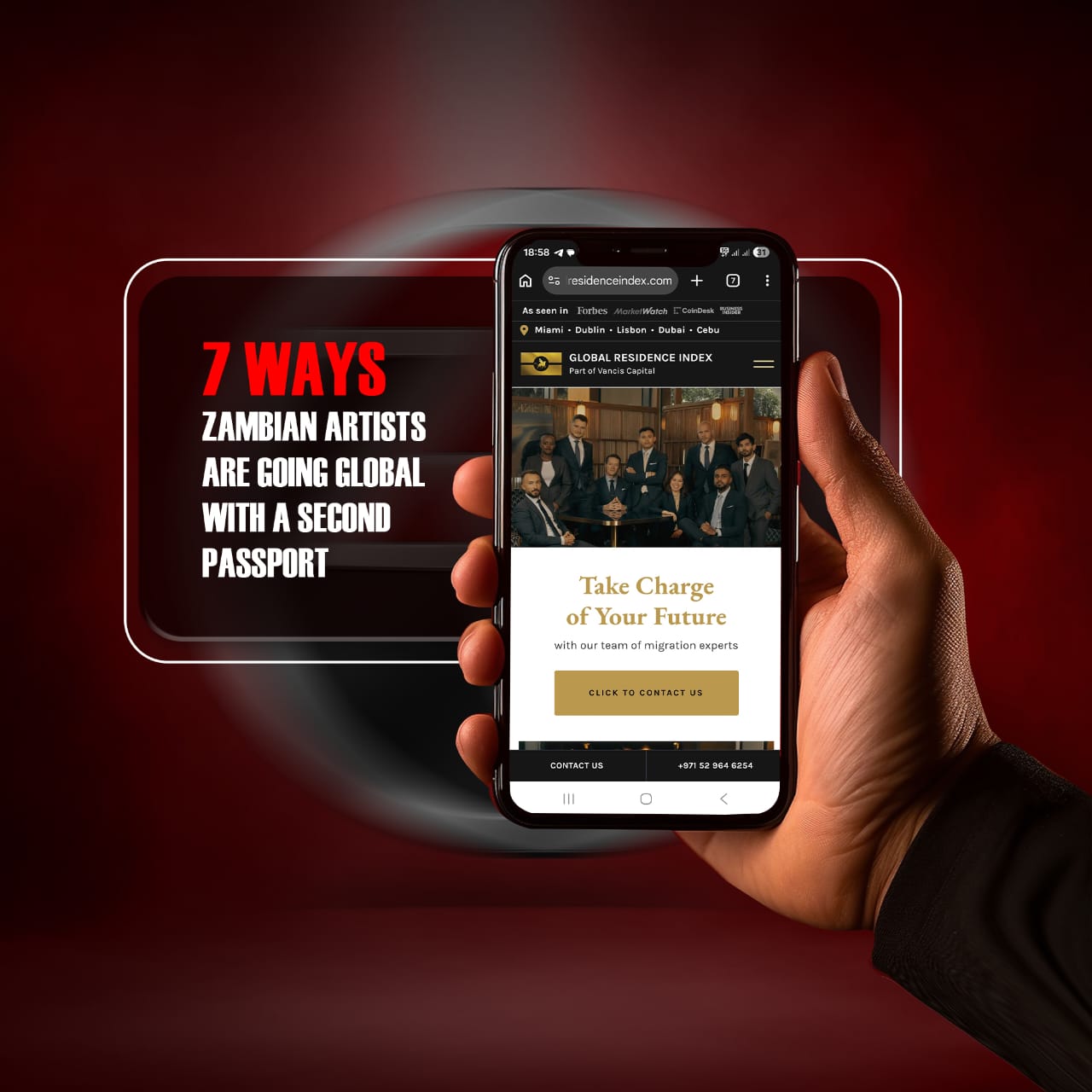
For artists exploring these options, resources like the Global Residence Index for investor visas provide comprehensive comparisons of different citizenship and residency programs tailored to financial circumstances and goals.
6. Building Networks That Lead to Real Collaborations
The music industry runs on relationships. You can’t build those relationships if you can only visit for two weeks at a time on a tourist visa.
Having the legal right to stay in a major music market for extended periods changes everything. You can attend industry events, spend time in studios, build genuine relationships with producers and other artists, and actually become part of the scene rather than just visiting it.
Think about how Afrobeats broke globally. It wasn’t just about the music—it was about Nigerian and Ghanaian artists establishing real presence in London, New York, and other markets. They became part of the local scene through extended stays and eventually residency or citizenship status.
7. Protecting Your Family’s Future
Successful artists understand that career longevity isn’t guaranteed. Political stability, economic conditions, and market access can shift rapidly.
A second passport provides a backup plan. It’s about giving your family options—quality education systems, healthcare infrastructure, and the freedom to choose where to live based on opportunity rather than passport restrictions.
For artists who’ve built substantial wealth like Mapi ($1.5M+), investing $100K-$300K in a citizenship program isn’t just about their career—it’s about securing their family’s long-term future and creating opportunities for the next generation.
Which Programs Make Sense for Artists?
Not all citizenship and residency programs suit creative professionals equally well.
Caribbean programs like St. Lucia, Antigua & Barbuda, and Grenada offer the fastest paths to citizenship (3-6 months) with investments starting around $100,000. They provide excellent visa-free access to Europe and strong mobility for touring artists.
Portugal’s Golden Visa program works well for artists who want to establish a European base. The investment threshold is higher, but you get EU residency with a pathway to citizenship, which opens up the entire European market.
The UAE offers residency options that appeal to artists wanting to establish a presence in the Middle East and Asian markets. No income tax and excellent infrastructure make it attractive for artists earning significant international income.
Organizations like Global Residence Index specialize in matching artists’ specific needs and budgets with appropriate programs, handling the complex application processes that can derail DIY attempts.
The Investment That Pays for Itself
When Yo Maps continues building his international streaming presence, eventually he’ll hit a ceiling without better mobility. The same applies to other successful Zambian artists sitting on six or seven-figure net worths.
A $100,000-$300,000 investment in a second passport might seem substantial, but consider what it unlocks: access to international festivals paying $20,000-$100,000 per performance, collaborations with producers in major markets, eligibility for arts funding worth hundreds of thousands of euros, and proper infrastructure for managing international income.
For artists already generating substantial income, this investment can pay for itself with just a handful of international bookings or a single major collaboration that wouldn’t have been possible with travel restrictions.
The question isn’t whether Zambian artists have the talent to go global. Artists like Dambisa proving themselves across African markets show the talent is absolutely there. The question is whether they’ll remove the artificial barrier—passport restrictions—that’s holding them back from the opportunities their talent deserves.
A second passport isn’t a luxury for successful creatives. It’s increasingly becoming the business tool that separates artists who stay regional from those who break through to global recognition and the financial rewards that come with it.